Category: Digital Marketing Tools Digital Marketing

Explore the latest Digital Marketing Tools designed to help marketers, businesses, and professionals improve their online marketing performance. This category covers SEO tools, social media tools, email marketing platforms, analytics tools, AI-powered marketing tools, content creation software, marketing automation, and advertising solutions. Discover practical guides, expert insights, comparisons, and tips to choose and use the right digital marketing tools to increase productivity, optimize campaigns, analyze performance, and achieve better business results.

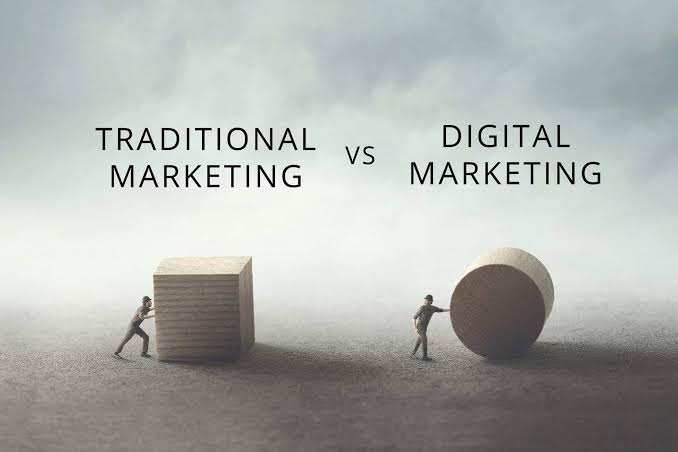
  • Why Companies Are Shifting from Conventional Marketing to Digital Marketing: The Future of Business Growth

    Why Companies Are Shifting from Conventional Marketing to Digital Marketing: The Future of Business Growth

    The marketing landscape has undergone a dramatic transformation over the past two decades. Businesses that once relied heavily on newspapers, television commercials, radio advertisements, brochures, billboards, and direct mail are now investing significantly in digital platforms. The shift is not merely a trend, it is a strategic response to changing consumer behavior, technological advancements, and the need for measurable business outcomes.

    Today, consumers spend a substantial portion of their time online, researching products, comparing prices, reading reviews, watching videos, and engaging with brands on social media before making purchase decisions. As a result, companies are increasingly redirecting their marketing budgets from conventional channels to digital marketing to remain competitive and relevant.


    Understanding Conventional Marketing

    Conventional or traditional marketing refers to promotional activities conducted through offline channels, including:

    • Newspapers and magazines
    • Television advertisements
    • Radio commercials
    • Outdoor billboards
    • Flyers and brochures
    • Trade shows and exhibitions
    • Direct mail campaigns

    While these methods have helped build successful brands for decades, they often involve high costs, limited audience targeting, and difficulty in measuring return on investment (ROI).

    While these methods have helped build successful brands for decades, they often involve high costs, limited audience targeting, and difficulty in measuring return on investment (ROI).


    Why Businesses Are Embracing Digital Marketing

    1. Consumers Have Become Digital-First

    Modern consumers begin their buying journey online. Whether purchasing a smartphone, booking a hotel, selecting a university, or hiring a consultant, customers typically search online before making a decision.

    Search engines, social media platforms, online reviews, and video content have become trusted sources of information, making digital visibility essential for businesses.

    2. Digital Marketing Delivers Better ROI

    One of the biggest advantages of digital marketing is its ability to measure performance in real time.

    Businesses can track:

    • Website traffic
    • Lead generation
    • Conversion rates
    • Customer acquisition cost
    • Return on advertising spend
    • Customer lifetime value

    Unlike traditional advertising, where measuring effectiveness can be challenging, digital campaigns allow marketers to optimize strategies based on actual performance data.

    3. Precision Targeting

    Traditional advertising reaches a broad audience, many of whom may have little interest in the product or service.

    Digital marketing enables businesses to target audiences based on:

    • Age
    • Gender
    • Location
    • Interests
    • Occupation
    • Income
    • Search behavior
    • Purchase intent

    This precision significantly improves marketing efficiency and reduces wasted expenditure.

    4. Cost-Effective Marketing

    Digital marketing allows even small businesses and startups to compete with larger organizations.

    Instead of investing heavily in television or print advertising, companies can reach qualified prospects through:

    • Search Engine Optimization (SEO)
    • Google Ads
    • Social Media Marketing
    • Email Marketing
    • Content Marketing
    • Video Marketing

    These channels often deliver better results at a fraction of the cost of conventional media.


    Statistics That Highlight the Shift

    Several recent studies demonstrate how rapidly businesses are moving toward digital marketing:

    • The global digital advertising market was valued at approximately USD 567.9 billion in 2025 and is projected to exceed USD 1.69 trillion by 2033, reflecting sustained double-digit growth.
    • Industry forecasts indicate that more than 82% of worldwide advertising expenditure is expected to come from digital channels by 2030, illustrating the long-term shift away from traditional media.
    • In India, digital advertising spending has continued to grow rapidly, with industry estimates indicating annual growth of around 17%, significantly outpacing traditional media growth.
    • India’s advertising industry has crossed the ₹1 lakh crore milestone, with digital media accounting for about 46% of total advertising expenditure, making it the country’s largest advertising segment.

    These figures clearly demonstrate that businesses increasingly recognize digital marketing as a primary driver of growth.


    Key Advantages of Digital Marketing

    Global Reach

    A local business can now attract customers from across the country or even internationally through an effective digital strategy.

    Real-Time Analytics

    Businesses can instantly monitor campaign performance and make informed decisions using platforms such as Google Analytics and advertising dashboards.

    Better Customer Engagement

    Digital platforms encourage two-way communication through comments, reviews, live chat, email, and social media interactions, helping brands build stronger customer relationships.

    Faster Decision-Making

    Marketing campaigns can be launched, modified, paused, or optimized within minutes based on market response.

    Personalization

    Artificial Intelligence and marketing automation allow businesses to deliver personalized content, recommendations, and offers tailored to individual customer preferences.


    Is Traditional Marketing Becoming Obsolete?

    Not entirely.

    Traditional marketing still plays an important role in sectors such as luxury goods, real estate, political campaigns, public awareness initiatives, and large-scale brand building. Television, print, and outdoor advertising continue to create credibility and mass awareness.

    However, leading organizations are increasingly adopting an integrated marketing approach, combining traditional and digital channels to maximize effectiveness. Traditional media often creates awareness, while digital marketing nurtures prospects, generates leads, and measures conversions.


    The Growing Role of Artificial Intelligence

    Artificial Intelligence is transforming digital marketing through:

    • Predictive analytics
    • Automated customer support
    • Personalized recommendations
    • AI-generated content
    • Smart audience targeting
    • Marketing automation

    Businesses that integrate AI into their marketing strategies are improving efficiency while delivering better customer experiences.


    Conclusion

    The transition from conventional marketing to digital marketing is no longer optional. It is a business necessity driven by changing consumer behavior, technological innovation, and the demand for measurable results.

    Organizations that embrace digital marketing gain access to deeper customer insights, improved targeting, greater flexibility, and higher returns on investment. While traditional marketing continues to have its place, the future belongs to businesses that successfully combine data, technology, creativity, and customer-centric strategies.

    As digital technologies continue to evolve, companies that invest in digital marketing today will be better positioned to build stronger brands, generate qualified leads, and achieve sustainable business growth in an increasingly competitive marketplace.

  • How Digital Marketing Can Transform the Career of Young Professionals and Entrepreneurs in 2026

    How Digital Marketing Can Transform the Career of Young Professionals and Entrepreneurs in 2026

    In today’s technology-driven world, digital marketing is no longer just a specialized skill, it has become an essential career competency. Whether you are a student preparing for your first job, a working professional aiming for career advancement, or an entrepreneur looking to grow your business, digital marketing can unlock countless opportunities.

    As businesses increasingly embrace digital transformation, professionals with digital marketing expertise are in high demand across industries. From multinational corporations to startups and small businesses, organizations seek individuals who can effectively promote products, build brand awareness, and generate measurable business results online.


    Why Digital Marketing Matters More Than Ever

    Consumers now spend a significant portion of their time online, searching for products, reading reviews, watching videos, and interacting with brands on social media. Businesses are investing heavily in digital channels because they offer measurable, cost-effective, and targeted marketing solutions.

    This shift has created enormous demand for professionals who understand:

    • Search Engine Optimization (SEO)
    • Google Ads and Pay-Per-Click (PPC) Advertising
    • Social Media Marketing
    • Content Marketing
    • Email Marketing
    • Web Analytics (GA4)
    • AI-powered Marketing
    • Marketing Automation
    • E-commerce Marketing

    Mastering these skills can significantly enhance employability and career prospects.


    Benefits for Students

    Students who acquire digital marketing skills before graduation gain a competitive advantage in the job market. Unlike many traditional subjects, digital marketing emphasizes practical application, enabling students to build portfolios, manage campaigns, and earn certifications while still studying.

    Some key benefits include:

    • Higher employability
    • Better internship opportunities
    • Freelancing possibilities
    • Entrepreneurial readiness
    • Remote work opportunities
    • International career prospects

    Many employers today prefer candidates with practical digital skills alongside academic qualifications.


    Benefits for Working Professionals

    Professionals in marketing, sales, HR, finance, operations, and even engineering can benefit from digital marketing knowledge.

    Digital marketing enables professionals to:

    • Improve business communication
    • Understand customer behavior
    • Make data-driven decisions
    • Manage digital campaigns
    • Increase productivity using AI tools
    • Qualify for leadership roles

    Professionals with digital marketing expertise often enjoy faster career progression because they contribute directly to business growth.


    Benefits for Entrepreneurs and Business Owners

    For entrepreneurs, digital marketing is one of the most powerful business growth tools available today.

    Instead of relying solely on traditional advertising, business owners can:

    • Reach targeted customers
    • Generate qualified leads
    • Build brand awareness
    • Increase website traffic
    • Improve customer engagement
    • Measure marketing performance
    • Expand into national and international markets

    Even small businesses can compete effectively with larger organizations by implementing the right digital marketing strategies.


    Digital Marketing and Artificial Intelligence

    Artificial Intelligence (AI) is revolutionizing digital marketing. Modern marketers use AI to:

    • Generate content ideas
    • Optimize advertising campaigns
    • Analyze customer behavior
    • Personalize user experiences
    • Automate repetitive marketing tasks
    • Predict market trends

    Professionals who combine AI knowledge with digital marketing expertise will remain highly competitive in the evolving job market.


    Career Opportunities in Digital Marketing

    Digital marketing offers diverse career paths, including:

    • Digital Marketing Executive
    • SEO Specialist
    • Google Ads Expert
    • Social Media Manager
    • Content Marketing Specialist
    • Email Marketing Expert
    • Marketing Analyst
    • E-commerce Manager
    • Digital Marketing Consultant
    • Marketing Automation Specialist
    • AI Marketing Strategist
    • Freelance Digital Marketer

    These roles are available across industries, including education, healthcare, retail, IT, finance, hospitality, manufacturing, and government.


    Essential Skills Every Digital Marketer Should Develop

    Successful digital marketers continuously develop both technical and soft skills, including:

    • Analytical thinking
    • Creativity
    • Communication
    • Content writing
    • Data interpretation
    • Problem-solving
    • Search engine optimization
    • Paid advertising
    • Social media management
    • AI tool proficiency

    Continuous learning is essential because digital technologies evolve rapidly.


    Why Professional Training Makes a Difference

    While many free resources are available online, structured professional training provides:

    • Industry-relevant curriculum
    • Practical assignments
    • Live projects
    • Expert mentorship
    • Certification guidance
    • Career support

    Learning from experienced industry professionals helps students and professionals apply concepts effectively in real-world scenarios.


    Conclusion

    Digital marketing is not merely a career option, it is a powerful skill that enhances employability, supports entrepreneurship, and accelerates professional growth. As businesses continue to invest in digital transformation, the demand for skilled digital marketing professionals will only increase.

    Whether you aspire to secure a rewarding corporate position, launch your own business, or establish yourself as a freelance consultant, investing in digital marketing education today can create long-term career success.

    At GraffitiWorld, we are committed to empowering students, professionals, entrepreneurs, and organizations through industry-oriented digital marketing consultancy and training programs. With practical learning, expert guidance, and real-world applications, we help individuals build the skills needed to thrive in today’s digital economy.

    Call to Action

    Ready to build a successful career in digital marketing or grow your business online?

    Contact GraffitiWorld today to explore our expert digital marketing consultancy, corporate training, and professional development programs designed to prepare you for the future of digital business.


  • How Digital Marketing Can Help You Switch Careers

    How Digital Marketing Can Help You Switch Careers

    Are you thinking about changing your career but unsure which field offers better opportunities for growth? A career in digital marketing could be an excellent option. With businesses increasingly using online platforms to attract customers, promote products, generate leads, and build brands, the demand for professionals with digital marketing skills continues to grow.

    One of the biggest advantages of switching careers to digital marketing is accessibility. Professionals from different educational and professional backgrounds can learn digital marketing and develop relevant skills. Whether you work in sales, education, finance, IT, management, customer service, or another industry, your existing experience can help you build a new career path in digital marketing.

    In this article, we explore how digital marketing can help you switch careers, which skills you need, the career opportunities available, and how you can start your journey.


    Why Choose Digital Marketing for a Career Change?

    Changing careers is an important professional decision. Before entering a new field, you need to consider career opportunities, required skills, learning time, growth potential, and long-term prospects.

    Digital marketing offers opportunities in several specialised areas, allowing professionals to choose a career path based on their interests, experience, and abilities.

    Unlike some traditional professions that require specific academic qualifications, digital marketing places considerable importance on skills, practical knowledge, creativity, analytical ability, and real-world experience.

    This makes digital marketing an attractive career option for professionals planning to enter a new industry.


    Can You Switch to a Career in Digital Marketing Without Previous Experience?

    Yes, it is possible to start a career in digital marketing without previous professional experience in the field.

    Digital marketing is a skill-based profession. While knowledge of marketing principles can be helpful, professionals from different industries can learn the tools and techniques required to work in digital marketing.

    The key is to combine theoretical knowledge with practical experience.

    You can begin by learning digital marketing fundamentals, creating your own website or blog, practising SEO, managing social media pages, exploring Google Ads, and learning how to analyse website performance using digital analytics tools.

    Practical learning can help you understand how digital marketing strategies work in real business situations.


    Your Existing Professional Skills Can Help You Build a Digital Marketing Career

    One of the biggest misconceptions about changing careers is that previous professional experience becomes irrelevant.

    In reality, your existing knowledge and skills can provide a significant advantage when you switch to digital marketing.

    For example, sales professionals often understand customers, communication, negotiation, and lead generation. These abilities can be valuable in performance marketing and digital sales.

    Teachers and trainers may have strong communication, presentation, and content development skills that can be useful in content marketing, online education, and social media marketing.

    IT professionals may find technical SEO, web analytics, website management, and marketing automation particularly interesting.

    Similarly, professionals with experience in finance, research, or data analysis may be well suited to areas such as web analytics, campaign measurement, and performance marketing.

    The most effective career transition strategy is to combine your previous professional experience with newly developed digital marketing skills.


    Explore Different Career Opportunities in Digital Marketing

    Digital marketing is not a single job. It is a broad professional field offering multiple career paths.

    Depending on your interests and abilities, you can explore opportunities in:

    • Search Engine Optimization (SEO)
    • Social Media Marketing
    • Content Marketing
    • Email Marketing
    • Google Ads and PPC Advertising
    • Web Analytics and GA4
    • E-Commerce Marketing
    • Affiliate Marketing
    • Marketing Automation
    • Artificial Intelligence in Digital Marketing
    • Digital Marketing Strategy
    • Online Branding and Reputation Management

    The availability of different specialisations makes a digital marketing career change suitable for professionals with diverse backgrounds.


    How to Choose the Right Digital Marketing Specialisation

    Choosing the right area of digital marketing is an important step when planning a career switch.

    Start by evaluating your interests, existing skills, and long-term career objectives.

    If you enjoy writing, research, and communication, SEO and content marketing may be suitable options.

    If you are creative and enjoy engaging with online communities, consider social media marketing.

    Professionals interested in advertising, campaign management, and business results may explore Google Ads and performance marketing.

    If you enjoy working with data and understanding customer behaviour, web analytics and GA4 could be suitable career paths.

    Those interested in emerging technologies can explore Artificial Intelligence, marketing automation, and AI-powered digital marketing tools.

    Selecting the right specialisation can help you focus your learning efforts and develop deeper professional expertise.


    Learn the Essential Digital Marketing Skills

    To successfully switch careers, you should begin by developing a strong understanding of digital marketing fundamentals.

    Important digital marketing skills include:

    • Search Engine Optimization
    • Keyword Research
    • Content Creation
    • Social Media Marketing
    • Google Ads
    • Email Marketing
    • Website Management
    • Google Analytics 4
    • Google Tag Manager
    • Marketing Automation
    • AI Tools for Digital Marketing
    • Campaign Planning and Measurement

    You do not need to master every area immediately.

    Start with the fundamentals and gradually specialise in one or two areas based on your interests and career goals.


    Gain Practical Digital Marketing Experience

    Practical experience is one of the most important factors in building a successful digital marketing career.

    Simply completing courses and certifications may not be enough. Employers and clients often want to see whether you can apply your knowledge to real projects.

    One of the best ways to gain experience is to create your own website or blog.

    You can practise keyword research, write SEO-friendly content, optimise web pages, create social media campaigns, explore email marketing, and analyse website traffic.

    You can also work on freelance assignments, volunteer projects, internships, or small business marketing projects.

    These experiences can help you build a strong digital marketing portfolio.


    Build a Digital Marketing Portfolio

    A professional portfolio can be particularly valuable for career switchers because it demonstrates your practical abilities.

    Your digital marketing portfolio may include:

    • Websites or blogs you have created
    • SEO projects
    • Keyword research reports
    • Content marketing campaigns
    • Social media strategies
    • Google Ads campaigns
    • Email marketing campaigns
    • Web analytics reports
    • Marketing dashboards
    • Digital marketing certifications

    A well-developed portfolio can help potential employers and clients understand your knowledge and capabilities.


    Earn Relevant Digital Marketing Certifications

    Professional certifications can strengthen your profile when switching to a digital marketing career.

    Certifications can demonstrate that you have invested time in learning industry tools, platforms, and marketing concepts.

    You can explore certifications related to Google Ads, Google Analytics, SEO, content marketing, email marketing, and social media marketing.

    However, certifications should be combined with practical experience.

    A certificate may demonstrate that you have completed a course, but your projects and portfolio demonstrate how effectively you can apply your knowledge.


    Build Your Professional Presence Online

    Your digital presence can play an important role in establishing your new professional identity.

    Start by optimising your LinkedIn profile and highlighting your digital marketing skills, certifications, projects, and professional experience.

    You can also publish articles, share industry insights, participate in professional discussions, and showcase your digital marketing projects.

    Creating a personal website or professional blog can further strengthen your credibility and help potential employers or clients discover your expertise.


    Start Your Career Transition Gradually

    You do not necessarily need to leave your existing profession immediately to begin a digital marketing career.

    A gradual transition can be a practical approach.

    Start learning digital marketing while continuing your current job. Work on personal projects, complete relevant certifications, develop your portfolio, and explore freelance opportunities.

    As your knowledge, practical experience, and professional network grow, you can begin applying for suitable digital marketing roles.

    This approach can make your career transition more structured and manageable.


    Career Opportunities After Learning Digital Marketing

    After developing relevant knowledge and practical skills, you can explore different professional opportunities.

    You may work as a:

    • Digital Marketing Executive
    • SEO Specialist
    • Social Media Manager
    • Content Marketing Specialist
    • PPC Specialist
    • Google Ads Specialist
    • Web Analytics Professional
    • Email Marketing Specialist
    • E-Commerce Marketing Professional
    • Digital Marketing Manager
    • Digital Marketing Consultant

    Experienced professionals may also explore freelancing, consulting, corporate training, entrepreneurship, and specialised digital marketing services.


    Is Digital Marketing a Good Career for Experienced Professionals?

    Digital marketing can be a suitable career option for experienced professionals because previous industry knowledge can become a competitive advantage.

    For example, a professional with experience in healthcare can specialise in healthcare digital marketing. Someone with experience in education can explore education marketing or EdTech. Similarly, professionals from retail, banking, tourism, real estate, and other industries can combine their sector knowledge with digital marketing expertise.

    This combination of industry experience and digital marketing skills can help professionals develop a specialised career profile.


    The Importance of Continuous Learning in Digital Marketing

    Digital marketing is constantly evolving.

    Search engine algorithms change, advertising platforms introduce new features, consumer behaviour develops, and Artificial Intelligence continues to influence marketing practices.

    Therefore, successful digital marketing professionals must remain committed to continuous learning.

    Reading industry blogs, attending webinars, completing professional courses, experimenting with new tools, and following industry developments can help you stay competitive.


    How Long Does It Take to Switch to a Digital Marketing Career?

    The time required to switch careers depends on your previous experience, learning ability, available time, and chosen specialisation.

    Some professionals may develop fundamental digital marketing skills within a few months, while building deeper expertise and practical experience can take longer.

    Instead of focusing only on how quickly you can change careers, focus on developing relevant skills and practical abilities.

    A well-planned and gradual career transition can create stronger long-term professional opportunities.


    Final Thoughts: Should You Switch to a Career in Digital Marketing?

    Digital marketing can provide an exciting career path for professionals looking for new opportunities, professional growth, flexibility, and continuous learning.

    One of its greatest advantages is the ability to combine your existing professional experience with new digital skills.

    To successfully switch to a career in digital marketing, start by learning the fundamentals, choose a suitable specialisation, gain practical experience, earn relevant certifications, build a professional portfolio, and establish your online presence.

    Changing careers requires time, effort, and continuous learning. However, with the right strategy and practical approach, digital marketing can open the door to diverse and rewarding career opportunities.


    Frequently Asked Questions About Switching Careers to Digital Marketing

    Can I switch to digital marketing without a marketing degree?

    Yes. Professionals from different educational and professional backgrounds can enter digital marketing. Practical skills, industry knowledge, certifications, and hands-on experience can help you build a career in the field.

    Is digital marketing suitable for professionals over 30 or 40?

    Yes. Age is not necessarily a barrier to entering digital marketing. Experienced professionals can combine their existing industry knowledge, management experience, and transferable skills with digital marketing expertise.

    Which digital marketing skill is best for a career change?

    The best skill depends on your interests and professional background. SEO, content marketing, social media marketing, Google Ads, web analytics, email marketing, and marketing automation are among the areas you can explore.

    Do I need technical skills to start a career in digital marketing?

    Advanced technical knowledge is not required for every digital marketing role. However, basic knowledge of websites, analytics, digital tools, and marketing technologies can be beneficial.

    How can I gain digital marketing experience before changing careers?

    You can create your own website or blog, work on personal projects, complete internships, take freelance assignments, volunteer for organisations, or help small businesses with their digital marketing activities.

    Can I work as a freelancer after learning digital marketing?

    Yes. Digital marketing offers opportunities for freelancing and consulting in areas such as SEO, social media marketing, content creation, paid advertising, email marketing, and web analytics.