Category: Digital Marketing Careers & Skills

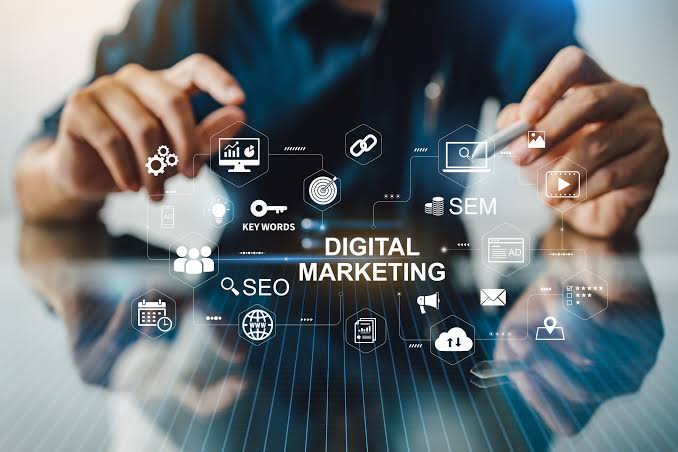
Explore Digital Marketing Careers & Skills to discover career opportunities, essential skills, industry trends, certifications, and professional growth strategies in the evolving digital marketing landscape. This category covers SEO, social media marketing, content marketing, email marketing, paid advertising, analytics, AI tools, and other in-demand digital marketing skills. Whether you are a student, beginner, working professional, or career switcher, gain practical insights and expert guidance to build your skills, advance your career, and succeed in the digital marketing industry.

  • How Digital Marketing Can Transform the Career of Young Professionals and Entrepreneurs in 2026

    How Digital Marketing Can Transform the Career of Young Professionals and Entrepreneurs in 2026

    In today’s technology-driven world, digital marketing is no longer just a specialized skill, it has become an essential career competency. Whether you are a student preparing for your first job, a working professional aiming for career advancement, or an entrepreneur looking to grow your business, digital marketing can unlock countless opportunities.

    As businesses increasingly embrace digital transformation, professionals with digital marketing expertise are in high demand across industries. From multinational corporations to startups and small businesses, organizations seek individuals who can effectively promote products, build brand awareness, and generate measurable business results online.


    Why Digital Marketing Matters More Than Ever

    Consumers now spend a significant portion of their time online, searching for products, reading reviews, watching videos, and interacting with brands on social media. Businesses are investing heavily in digital channels because they offer measurable, cost-effective, and targeted marketing solutions.

    This shift has created enormous demand for professionals who understand:

    • Search Engine Optimization (SEO)
    • Google Ads and Pay-Per-Click (PPC) Advertising
    • Social Media Marketing
    • Content Marketing
    • Email Marketing
    • Web Analytics (GA4)
    • AI-powered Marketing
    • Marketing Automation
    • E-commerce Marketing

    Mastering these skills can significantly enhance employability and career prospects.


    Benefits for Students

    Students who acquire digital marketing skills before graduation gain a competitive advantage in the job market. Unlike many traditional subjects, digital marketing emphasizes practical application, enabling students to build portfolios, manage campaigns, and earn certifications while still studying.

    Some key benefits include:

    • Higher employability
    • Better internship opportunities
    • Freelancing possibilities
    • Entrepreneurial readiness
    • Remote work opportunities
    • International career prospects

    Many employers today prefer candidates with practical digital skills alongside academic qualifications.


    Benefits for Working Professionals

    Professionals in marketing, sales, HR, finance, operations, and even engineering can benefit from digital marketing knowledge.

    Digital marketing enables professionals to:

    • Improve business communication
    • Understand customer behavior
    • Make data-driven decisions
    • Manage digital campaigns
    • Increase productivity using AI tools
    • Qualify for leadership roles

    Professionals with digital marketing expertise often enjoy faster career progression because they contribute directly to business growth.


    Benefits for Entrepreneurs and Business Owners

    For entrepreneurs, digital marketing is one of the most powerful business growth tools available today.

    Instead of relying solely on traditional advertising, business owners can:

    • Reach targeted customers
    • Generate qualified leads
    • Build brand awareness
    • Increase website traffic
    • Improve customer engagement
    • Measure marketing performance
    • Expand into national and international markets

    Even small businesses can compete effectively with larger organizations by implementing the right digital marketing strategies.


    Digital Marketing and Artificial Intelligence

    Artificial Intelligence (AI) is revolutionizing digital marketing. Modern marketers use AI to:

    • Generate content ideas
    • Optimize advertising campaigns
    • Analyze customer behavior
    • Personalize user experiences
    • Automate repetitive marketing tasks
    • Predict market trends

    Professionals who combine AI knowledge with digital marketing expertise will remain highly competitive in the evolving job market.


    Career Opportunities in Digital Marketing

    Digital marketing offers diverse career paths, including:

    • Digital Marketing Executive
    • SEO Specialist
    • Google Ads Expert
    • Social Media Manager
    • Content Marketing Specialist
    • Email Marketing Expert
    • Marketing Analyst
    • E-commerce Manager
    • Digital Marketing Consultant
    • Marketing Automation Specialist
    • AI Marketing Strategist
    • Freelance Digital Marketer

    These roles are available across industries, including education, healthcare, retail, IT, finance, hospitality, manufacturing, and government.


    Essential Skills Every Digital Marketer Should Develop

    Successful digital marketers continuously develop both technical and soft skills, including:

    • Analytical thinking
    • Creativity
    • Communication
    • Content writing
    • Data interpretation
    • Problem-solving
    • Search engine optimization
    • Paid advertising
    • Social media management
    • AI tool proficiency

    Continuous learning is essential because digital technologies evolve rapidly.


    Why Professional Training Makes a Difference

    While many free resources are available online, structured professional training provides:

    • Industry-relevant curriculum
    • Practical assignments
    • Live projects
    • Expert mentorship
    • Certification guidance
    • Career support

    Learning from experienced industry professionals helps students and professionals apply concepts effectively in real-world scenarios.


    Conclusion

    Digital marketing is not merely a career option, it is a powerful skill that enhances employability, supports entrepreneurship, and accelerates professional growth. As businesses continue to invest in digital transformation, the demand for skilled digital marketing professionals will only increase.

    Whether you aspire to secure a rewarding corporate position, launch your own business, or establish yourself as a freelance consultant, investing in digital marketing education today can create long-term career success.

    At GraffitiWorld, we are committed to empowering students, professionals, entrepreneurs, and organizations through industry-oriented digital marketing consultancy and training programs. With practical learning, expert guidance, and real-world applications, we help individuals build the skills needed to thrive in today’s digital economy.

    Call to Action

    Ready to build a successful career in digital marketing or grow your business online?

    Contact GraffitiWorld today to explore our expert digital marketing consultancy, corporate training, and professional development programs designed to prepare you for the future of digital business.


  • How AI Is Transforming Email Marketing: Strategies, Benefits, and Best Practices

    How AI Is Transforming Email Marketing: Strategies, Benefits, and Best Practices

    Email marketing has long been one of the most effective digital marketing channels for connecting with customers, nurturing leads, and driving conversions. However, changing customer expectations, growing competition, and the increasing volume of marketing messages have made traditional email marketing strategies less effective.

    Artificial Intelligence (AI) is changing this scenario.

    AI-powered email marketing enables businesses to understand their audiences better, personalize communication, automate campaigns, optimize delivery times, and improve overall marketing performance. Instead of sending the same message to thousands of subscribers, marketers can now create more relevant and personalized email experiences based on customer behaviour and preferences.


    What Is AI in Email Marketing?

    AI in email marketing refers to the use of artificial intelligence technologies, machine learning algorithms, predictive analytics, and automation tools to improve different aspects of an email marketing campaign.

    These technologies can analyse large amounts of customer data and identify patterns that may be difficult for marketers to discover manually. Based on these insights, AI can help marketers determine what content customers are interested in, when they are most likely to open an email, and what type of offer may encourage them to take action.

    As a result, businesses can make their email marketing campaigns more targeted, efficient, and data-driven.


    Why Is AI Becoming Important in Email Marketing?

    Consumers receive numerous promotional emails every day. Generic marketing messages often fail to attract attention because customers increasingly expect brands to understand their interests and preferences.

    AI helps businesses move from mass email communication towards more personalized customer experiences.

    By analysing customer interactions, purchase behaviour, browsing activity, and engagement patterns, AI-powered marketing tools can help businesses deliver the right message to the right customer at the right time.

    This approach can potentially improve email open rates, click-through rates, customer engagement, and conversions.


    1. AI-Powered Email Personalization

    Personalization is one of the most significant applications of AI in email marketing.

    Traditional email personalization often involves adding the subscriber’s name to the subject line or email content. AI takes personalization much further.

    AI systems can analyse customer data such as:

    • Previous purchases
    • Website browsing behaviour
    • Email engagement
    • Product preferences
    • Customer demographics
    • Interaction history

    Based on this information, businesses can create personalized email content and product recommendations for individual customers.

    For example, an e-commerce business can recommend products based on a customer’s previous purchases or browsing history. Similarly, an educational platform can suggest courses based on the learner’s interests and previous activities.

    Such personalized communication can make marketing emails more relevant and useful to customers.


    2. Creating Better Email Subject Lines with AI

    The subject line is one of the most important elements of an email marketing campaign. It can significantly influence whether recipients open or ignore an email.

    AI-powered tools can help marketers generate and optimize email subject lines.

    By analysing historical campaign performance, customer behaviour, and engagement patterns, AI can suggest subject lines that are more likely to attract the audience’s attention.

    Marketers can also use generative AI tools to create multiple variations of subject lines for testing.

    However, marketers should carefully review AI-generated suggestions to ensure that the subject lines remain accurate, relevant, and consistent with the brand’s communication style.


    3. Generating Email Content with Artificial Intelligence

    Generative AI has significantly changed the way marketers create content.

    AI-powered tools can assist marketers in creating:

    • Email headlines
    • Promotional messages
    • Product descriptions
    • Calls to action
    • Newsletter content
    • Follow-up emails
    • Welcome email sequences

    This can save considerable time, particularly for businesses that regularly manage multiple email campaigns.

    However, AI should ideally be used as a marketing assistant rather than a complete replacement for human creativity.

    Human review remains important for maintaining brand identity, emotional connection, factual accuracy, and communication quality.


    4. Smarter Audience Segmentation

    Audience segmentation is an essential component of successful email marketing.

    Traditionally, marketers segment customers based on basic information such as age, gender, location, or purchase history.

    AI can make segmentation significantly more sophisticated.

    Machine learning algorithms can analyse large volumes of customer data and identify groups of customers with similar behaviours, interests, and engagement patterns.

    Businesses can then create highly targeted email campaigns for these customer segments.

    For example, AI may help identify:

    • Customers likely to make another purchase
    • Subscribers who are becoming inactive
    • Customers interested in particular products
    • High-value customers
    • Customers likely to respond to promotional offers

    This allows marketers to create more relevant marketing communication for different audience groups.


    5. Predicting Customer Behaviour

    Predictive analytics is another powerful application of AI in email marketing.

    By analysing historical customer data, AI systems can identify patterns and predict possible future behaviour.

    For example, AI may help marketers estimate:

    • Which customers are likely to purchase a product
    • Which subscribers may unsubscribe
    • Which customers may become inactive
    • What products customers may be interested in
    • When customers may be ready to make another purchase

    These insights can help businesses develop proactive email marketing strategies.

    Instead of waiting for customers to take action, marketers can communicate with them at the most appropriate stage of their customer journey.


    6. Optimizing Email Send Times

    The timing of an email can significantly affect its performance.

    Customers have different habits when it comes to checking and responding to emails. Sending every email at the same time may therefore not produce the best results.

    AI-powered email marketing platforms can analyse individual engagement patterns and identify when subscribers are most likely to open and interact with emails.

    The system can then optimize email delivery times for different subscribers.

    This strategy can potentially increase engagement without requiring marketers to manually analyse the behaviour of every customer.


    7. Improving Marketing Automation

    Marketing automation has been an important part of email marketing for many years. AI is making these automation systems smarter and more responsive.

    Traditional email automation usually follows predetermined rules.

    For example:

    A customer subscribes to a newsletter → receives a welcome email → receives another email after three days → receives a promotional offer.

    AI-powered automation can make this process more dynamic.

    The system can analyse how customers interact with emails and modify communication based on their behaviour.

    For example, highly engaged customers may receive additional product information, while inactive subscribers may receive a re-engagement campaign.

    This creates a more personalized customer journey.


    8. AI-Powered A/B Testing

    A/B testing allows marketers to compare different versions of an email campaign.

    Marketers may test:

    • Subject lines
    • Email headlines
    • Images
    • Calls to action
    • Content
    • Promotional offers
    • Email layouts

    Traditional A/B testing can require significant time and manual analysis.

    AI can help automate and accelerate the testing process by analysing campaign performance and identifying successful variations.

    These insights can help marketers continuously improve their email marketing strategies.


    9. Improving Customer Engagement

    One of the primary objectives of email marketing is to build and maintain relationships with customers.

    AI can help businesses understand what type of content customers find valuable.

    By analysing customer engagement patterns, marketers can identify topics, products, offers, and communication styles that generate better responses.

    This information can be used to create more relevant email campaigns.

    When customers receive useful and personalized communication, they may be more likely to engage with the brand.


    10. Identifying and Re-Engaging Inactive Subscribers

    Subscriber inactivity is a common challenge in email marketing.

    Over time, some subscribers may stop opening emails or interacting with marketing campaigns.

    AI can help identify customers whose engagement levels are declining.

    Businesses can then create targeted re-engagement campaigns offering:

    • Personalized recommendations
    • Special offers
    • Useful content
    • Product updates
    • Feedback requests

    Early identification of declining customer engagement can help businesses take appropriate action before subscribers completely lose interest.


    Benefits of Using AI in Email Marketing

    Integrating AI into email marketing strategies can offer several benefits to businesses.

    Better Personalization

    AI enables businesses to create more relevant communication based on customer behaviour and preferences.

    Improved Marketing Efficiency

    Automation and AI-powered content creation can reduce the time required to manage email campaigns.

    Data-Driven Decision Making

    AI can analyse large volumes of marketing data and provide useful insights for campaign optimization.

    Better Customer Experiences

    Relevant and timely email communication can improve the overall customer experience.

    Improved Campaign Performance

    Better targeting, personalization, segmentation, and optimization may contribute to higher customer engagement and conversions.


    Challenges of Using AI in Email Marketing

    Despite its advantages, businesses should carefully consider the challenges associated with AI-powered email marketing.

    Data Privacy

    AI systems often require access to customer data. Businesses must ensure responsible data collection and comply with applicable privacy regulations.

    Data Quality

    AI-generated insights depend heavily on the quality of available data. Inaccurate or incomplete customer information may lead to ineffective marketing decisions.

    Over-Automation

    Excessive automation can make marketing communication feel impersonal.

    Businesses should maintain an appropriate balance between technology and human interaction.

    Accuracy of AI-Generated Content

    Generative AI tools can occasionally produce inaccurate or inappropriate content. Human review is therefore essential before publishing or sending AI-generated marketing communication.

    Best Practices for Using AI in Email Marketing


    Businesses planning to integrate AI into their email marketing strategies should follow a structured approach.

    Start by identifying specific marketing challenges that AI can help solve. Instead of implementing multiple AI technologies simultaneously, businesses can begin with areas such as content creation, personalization, segmentation, or campaign optimization.

    Maintaining high-quality customer data is equally important because AI systems rely on accurate information to generate meaningful insights.

    Marketers should also continuously monitor campaign performance and evaluate whether AI-powered strategies are producing the desired results.

    Most importantly, human creativity, strategic thinking, and ethical decision-making should remain central to the marketing process.


    The Future of AI in Email Marketing

    The role of artificial intelligence in email marketing is expected to continue expanding.

    Future AI-powered marketing systems may become increasingly capable of analysing customer behaviour, predicting individual preferences, generating personalized content, and optimizing customer journeys in real time.

    Email marketing may gradually move from traditional campaign-based communication towards intelligent, customer-centric conversations.

    However, the most successful organizations will likely be those that combine the analytical capabilities of AI with human creativity, strategic thinking, and an understanding of customer emotions.


    Conclusion

    Artificial Intelligence is transforming email marketing by making campaigns more personalized, automated, predictive, and data-driven.

    From generating email content and optimizing subject lines to predicting customer behaviour and improving audience segmentation, AI provides marketers with powerful opportunities to enhance their email marketing strategies.

    However, technology alone cannot guarantee marketing success.

    The effective use of AI requires quality data, appropriate marketing strategies, responsible data practices, continuous campaign optimization, and human oversight.

    Ultimately, the future of email marketing is not about replacing marketers with artificial intelligence. It is about enabling marketers to use AI effectively to understand their customers, create meaningful communication, and deliver better digital experiences.

  • How Digital Marketing Can Help You Switch Careers

    How Digital Marketing Can Help You Switch Careers

    Are you thinking about changing your career but unsure which field offers better opportunities for growth? A career in digital marketing could be an excellent option. With businesses increasingly using online platforms to attract customers, promote products, generate leads, and build brands, the demand for professionals with digital marketing skills continues to grow.

    One of the biggest advantages of switching careers to digital marketing is accessibility. Professionals from different educational and professional backgrounds can learn digital marketing and develop relevant skills. Whether you work in sales, education, finance, IT, management, customer service, or another industry, your existing experience can help you build a new career path in digital marketing.

    In this article, we explore how digital marketing can help you switch careers, which skills you need, the career opportunities available, and how you can start your journey.


    Why Choose Digital Marketing for a Career Change?

    Changing careers is an important professional decision. Before entering a new field, you need to consider career opportunities, required skills, learning time, growth potential, and long-term prospects.

    Digital marketing offers opportunities in several specialised areas, allowing professionals to choose a career path based on their interests, experience, and abilities.

    Unlike some traditional professions that require specific academic qualifications, digital marketing places considerable importance on skills, practical knowledge, creativity, analytical ability, and real-world experience.

    This makes digital marketing an attractive career option for professionals planning to enter a new industry.


    Can You Switch to a Career in Digital Marketing Without Previous Experience?

    Yes, it is possible to start a career in digital marketing without previous professional experience in the field.

    Digital marketing is a skill-based profession. While knowledge of marketing principles can be helpful, professionals from different industries can learn the tools and techniques required to work in digital marketing.

    The key is to combine theoretical knowledge with practical experience.

    You can begin by learning digital marketing fundamentals, creating your own website or blog, practising SEO, managing social media pages, exploring Google Ads, and learning how to analyse website performance using digital analytics tools.

    Practical learning can help you understand how digital marketing strategies work in real business situations.


    Your Existing Professional Skills Can Help You Build a Digital Marketing Career

    One of the biggest misconceptions about changing careers is that previous professional experience becomes irrelevant.

    In reality, your existing knowledge and skills can provide a significant advantage when you switch to digital marketing.

    For example, sales professionals often understand customers, communication, negotiation, and lead generation. These abilities can be valuable in performance marketing and digital sales.

    Teachers and trainers may have strong communication, presentation, and content development skills that can be useful in content marketing, online education, and social media marketing.

    IT professionals may find technical SEO, web analytics, website management, and marketing automation particularly interesting.

    Similarly, professionals with experience in finance, research, or data analysis may be well suited to areas such as web analytics, campaign measurement, and performance marketing.

    The most effective career transition strategy is to combine your previous professional experience with newly developed digital marketing skills.


    Explore Different Career Opportunities in Digital Marketing

    Digital marketing is not a single job. It is a broad professional field offering multiple career paths.

    Depending on your interests and abilities, you can explore opportunities in:

    • Search Engine Optimization (SEO)
    • Social Media Marketing
    • Content Marketing
    • Email Marketing
    • Google Ads and PPC Advertising
    • Web Analytics and GA4
    • E-Commerce Marketing
    • Affiliate Marketing
    • Marketing Automation
    • Artificial Intelligence in Digital Marketing
    • Digital Marketing Strategy
    • Online Branding and Reputation Management

    The availability of different specialisations makes a digital marketing career change suitable for professionals with diverse backgrounds.


    How to Choose the Right Digital Marketing Specialisation

    Choosing the right area of digital marketing is an important step when planning a career switch.

    Start by evaluating your interests, existing skills, and long-term career objectives.

    If you enjoy writing, research, and communication, SEO and content marketing may be suitable options.

    If you are creative and enjoy engaging with online communities, consider social media marketing.

    Professionals interested in advertising, campaign management, and business results may explore Google Ads and performance marketing.

    If you enjoy working with data and understanding customer behaviour, web analytics and GA4 could be suitable career paths.

    Those interested in emerging technologies can explore Artificial Intelligence, marketing automation, and AI-powered digital marketing tools.

    Selecting the right specialisation can help you focus your learning efforts and develop deeper professional expertise.


    Learn the Essential Digital Marketing Skills

    To successfully switch careers, you should begin by developing a strong understanding of digital marketing fundamentals.

    Important digital marketing skills include:

    • Search Engine Optimization
    • Keyword Research
    • Content Creation
    • Social Media Marketing
    • Google Ads
    • Email Marketing
    • Website Management
    • Google Analytics 4
    • Google Tag Manager
    • Marketing Automation
    • AI Tools for Digital Marketing
    • Campaign Planning and Measurement

    You do not need to master every area immediately.

    Start with the fundamentals and gradually specialise in one or two areas based on your interests and career goals.


    Gain Practical Digital Marketing Experience

    Practical experience is one of the most important factors in building a successful digital marketing career.

    Simply completing courses and certifications may not be enough. Employers and clients often want to see whether you can apply your knowledge to real projects.

    One of the best ways to gain experience is to create your own website or blog.

    You can practise keyword research, write SEO-friendly content, optimise web pages, create social media campaigns, explore email marketing, and analyse website traffic.

    You can also work on freelance assignments, volunteer projects, internships, or small business marketing projects.

    These experiences can help you build a strong digital marketing portfolio.


    Build a Digital Marketing Portfolio

    A professional portfolio can be particularly valuable for career switchers because it demonstrates your practical abilities.

    Your digital marketing portfolio may include:

    • Websites or blogs you have created
    • SEO projects
    • Keyword research reports
    • Content marketing campaigns
    • Social media strategies
    • Google Ads campaigns
    • Email marketing campaigns
    • Web analytics reports
    • Marketing dashboards
    • Digital marketing certifications

    A well-developed portfolio can help potential employers and clients understand your knowledge and capabilities.


    Earn Relevant Digital Marketing Certifications

    Professional certifications can strengthen your profile when switching to a digital marketing career.

    Certifications can demonstrate that you have invested time in learning industry tools, platforms, and marketing concepts.

    You can explore certifications related to Google Ads, Google Analytics, SEO, content marketing, email marketing, and social media marketing.

    However, certifications should be combined with practical experience.

    A certificate may demonstrate that you have completed a course, but your projects and portfolio demonstrate how effectively you can apply your knowledge.


    Build Your Professional Presence Online

    Your digital presence can play an important role in establishing your new professional identity.

    Start by optimising your LinkedIn profile and highlighting your digital marketing skills, certifications, projects, and professional experience.

    You can also publish articles, share industry insights, participate in professional discussions, and showcase your digital marketing projects.

    Creating a personal website or professional blog can further strengthen your credibility and help potential employers or clients discover your expertise.


    Start Your Career Transition Gradually

    You do not necessarily need to leave your existing profession immediately to begin a digital marketing career.

    A gradual transition can be a practical approach.

    Start learning digital marketing while continuing your current job. Work on personal projects, complete relevant certifications, develop your portfolio, and explore freelance opportunities.

    As your knowledge, practical experience, and professional network grow, you can begin applying for suitable digital marketing roles.

    This approach can make your career transition more structured and manageable.


    Career Opportunities After Learning Digital Marketing

    After developing relevant knowledge and practical skills, you can explore different professional opportunities.

    You may work as a:

    • Digital Marketing Executive
    • SEO Specialist
    • Social Media Manager
    • Content Marketing Specialist
    • PPC Specialist
    • Google Ads Specialist
    • Web Analytics Professional
    • Email Marketing Specialist
    • E-Commerce Marketing Professional
    • Digital Marketing Manager
    • Digital Marketing Consultant

    Experienced professionals may also explore freelancing, consulting, corporate training, entrepreneurship, and specialised digital marketing services.


    Is Digital Marketing a Good Career for Experienced Professionals?

    Digital marketing can be a suitable career option for experienced professionals because previous industry knowledge can become a competitive advantage.

    For example, a professional with experience in healthcare can specialise in healthcare digital marketing. Someone with experience in education can explore education marketing or EdTech. Similarly, professionals from retail, banking, tourism, real estate, and other industries can combine their sector knowledge with digital marketing expertise.

    This combination of industry experience and digital marketing skills can help professionals develop a specialised career profile.


    The Importance of Continuous Learning in Digital Marketing

    Digital marketing is constantly evolving.

    Search engine algorithms change, advertising platforms introduce new features, consumer behaviour develops, and Artificial Intelligence continues to influence marketing practices.

    Therefore, successful digital marketing professionals must remain committed to continuous learning.

    Reading industry blogs, attending webinars, completing professional courses, experimenting with new tools, and following industry developments can help you stay competitive.


    How Long Does It Take to Switch to a Digital Marketing Career?

    The time required to switch careers depends on your previous experience, learning ability, available time, and chosen specialisation.

    Some professionals may develop fundamental digital marketing skills within a few months, while building deeper expertise and practical experience can take longer.

    Instead of focusing only on how quickly you can change careers, focus on developing relevant skills and practical abilities.

    A well-planned and gradual career transition can create stronger long-term professional opportunities.


    Final Thoughts: Should You Switch to a Career in Digital Marketing?

    Digital marketing can provide an exciting career path for professionals looking for new opportunities, professional growth, flexibility, and continuous learning.

    One of its greatest advantages is the ability to combine your existing professional experience with new digital skills.

    To successfully switch to a career in digital marketing, start by learning the fundamentals, choose a suitable specialisation, gain practical experience, earn relevant certifications, build a professional portfolio, and establish your online presence.

    Changing careers requires time, effort, and continuous learning. However, with the right strategy and practical approach, digital marketing can open the door to diverse and rewarding career opportunities.


    Frequently Asked Questions About Switching Careers to Digital Marketing

    Can I switch to digital marketing without a marketing degree?

    Yes. Professionals from different educational and professional backgrounds can enter digital marketing. Practical skills, industry knowledge, certifications, and hands-on experience can help you build a career in the field.

    Is digital marketing suitable for professionals over 30 or 40?

    Yes. Age is not necessarily a barrier to entering digital marketing. Experienced professionals can combine their existing industry knowledge, management experience, and transferable skills with digital marketing expertise.

    Which digital marketing skill is best for a career change?

    The best skill depends on your interests and professional background. SEO, content marketing, social media marketing, Google Ads, web analytics, email marketing, and marketing automation are among the areas you can explore.

    Do I need technical skills to start a career in digital marketing?

    Advanced technical knowledge is not required for every digital marketing role. However, basic knowledge of websites, analytics, digital tools, and marketing technologies can be beneficial.

    How can I gain digital marketing experience before changing careers?

    You can create your own website or blog, work on personal projects, complete internships, take freelance assignments, volunteer for organisations, or help small businesses with their digital marketing activities.

    Can I work as a freelancer after learning digital marketing?

    Yes. Digital marketing offers opportunities for freelancing and consulting in areas such as SEO, social media marketing, content creation, paid advertising, email marketing, and web analytics.